Blog

A home for my most in-depth game guides and written takes, all focused on the board games I genuinely enjoy.

Later Ctrl + ↑

Every Enemy Skill Explained • The Elder Scrolls: Betrayal of the Second Era

Enemy skills in The Elder Scrolls: Betrayal of the Second Era can be deceptively simple on the surface, but a lot of them have tricky timing or edge cases that can easily trip you up. I made this video because I kept seeing the same confusion come up during my own games, especially around things like Bane, Fear, or Stalwart. Some of these skills are much more brutal in solo than in a group, and others just have odd little rules that aren’t obvious until you’ve had to deal with them mid-battle.

In the video, I go through every enemy skill currently in the game, one by one, and explain how they actually work. I give examples where it makes sense, clarify things like when the effect triggers, and share a few of my own impressions from playing against them. This isn’t a strategy guide – it’s more of a reference video for understanding what these effects really do, especially if you’re still learning the game or just want to double-check a specific rule.
Bard Class Guide • The Elder Scrolls: Betrayal of the Second Era

Bard is one of those classes that quietly stacks the deck in your favour without drawing too much attention. It’s not the flashiest in terms of raw damage, but its support abilities can shift the entire flow of a battle. The real star here, though, is the innate ability – rerolling any one die once per turn is so useful in so many situations. It gives you so much consistency, whether playing in a party or solo. For this build, I leaned fully into that reroll potential and ended up with something that felt a little bit busted, in the best possible way. Let’s just say things got silly – in a good way.

In the video, I walk through every Bard ability, explain what changes when you upgrade to the master side, and then build out a full reroll-heavy solo setup. I show how I place my stat tokens, which skill lines I prioritise (with some very specific combos in mind), and how I squeeze the most value out of Bard’s dice manipulation. There’s a full solo gameplay demo at the end too, where you’ll see just how far you can push this build when everything clicks.

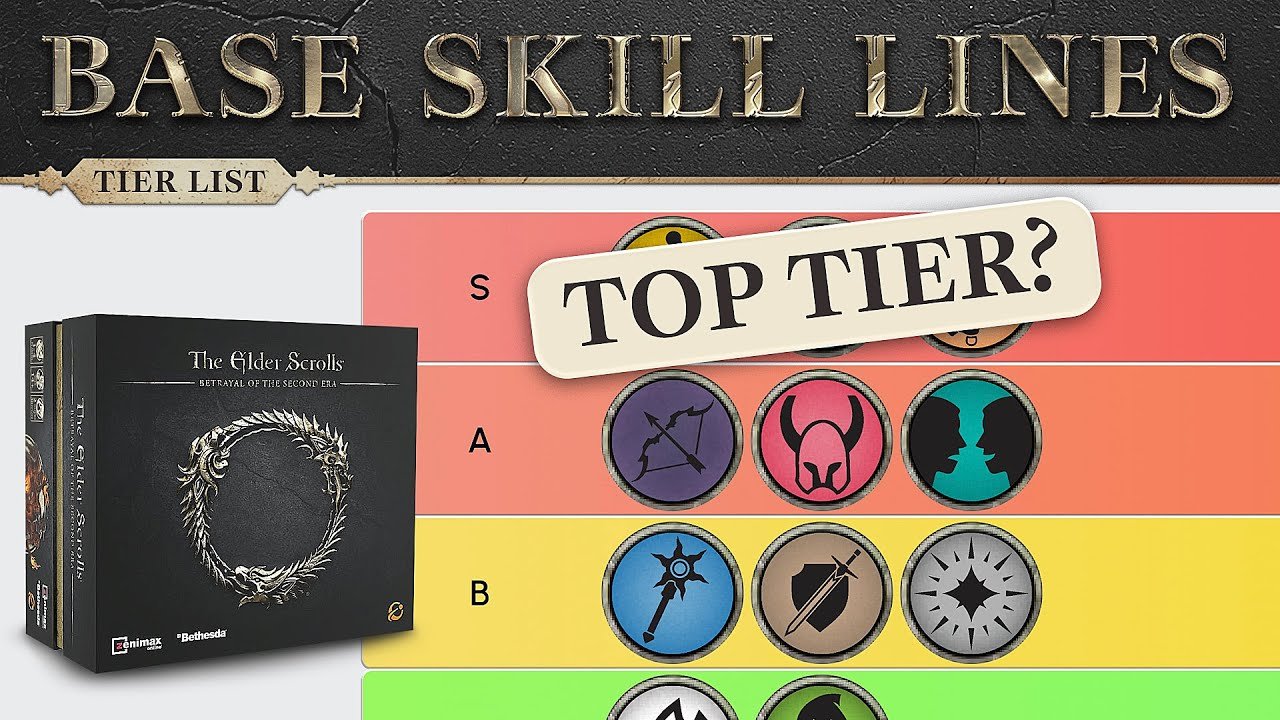
Every Racial Ability Ranked • The Elder Scrolls: Betrayal of the Second Era

I wanted to rank every racial ability in The Elder Scrolls: Betrayal of the Second Era based on actual gameplay experience, not just theory. I’ve played all the races in both solo and group campaigns, and this list reflects what I’ve consistently found useful (or not) across dozens of sessions. Some abilities are clearly stronger in solo, while others shine more in co-op. There’s a mix of power level, consistency, and how often the ability actually triggers in real games. This isn’t about lore or flavour – just raw mechanical impact.

In the video, I go through all ten races and place them in loose tiers from bottom to top, explaining why each one landed where it did. I talk through the practical strengths and weaknesses of each racial ability, and how they interact with things like battle forms, skill dice, cooldown management, and item synergies. This ranking is based on the base game only, without any expansion races, and with a heavy lean toward solo play – though I do point out where a race gets significantly better in a group.

 335   2025   Chip Theory Games   TES: BotSE   Tier lists

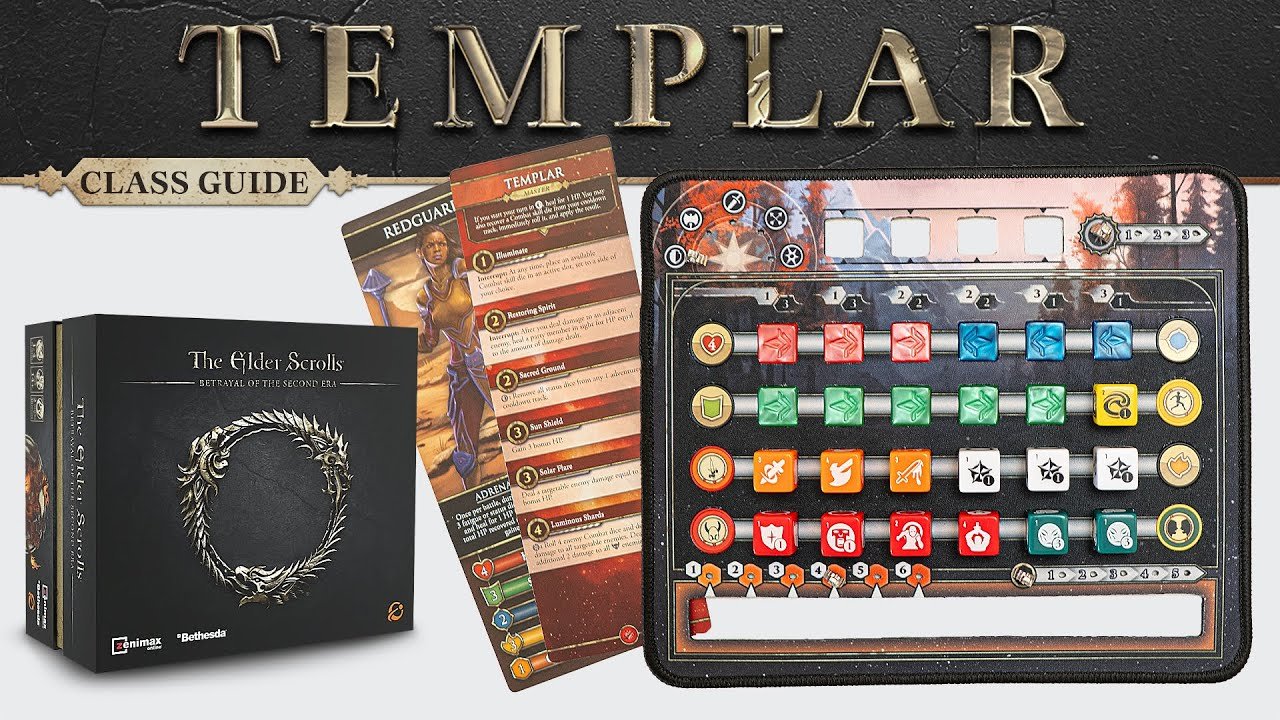
Dragonknight Class Guide • The Elder Scrolls: Betrayal of the Second Era

Dragonknight is a pretty straightforward, beginner-friendly class with a mix of offence and utility. You’ve got strong physical damage, a few helpful party-wide abilities, and some nice synergy if you know what to look for. One of my favourite tools here is Molten Weapons, especially if you’re lucky enough to find a Claymore of the Crucible – turning all your combat dice into true damage and spreading it around is just ridiculous. Dragon Blood is also amazing, probably one of the best party utility abilities in the game, letting you clean up over fatigue on the fly, which completely changes how you approach certain risks.

In this video, I go through all the Dragonknight abilities, compare the novice and master sides, and explain why you might not want to rush the upgrade unless the situation lines up. I also cover race picks, my full stat placement, what skill lines I prefer, and the best item synergies to look out for. Near the end, there’s a solo gameplay demo so you can see how the build works in action, including some nice moments where Cleave wipes a whole group and Executioner deals with a stalwart enemy in one shot.

Sorcerer Class Guide • The Elder Scrolls: Betrayal of the Second Era

The Sorcerer is a Magicka-based class that focuses on flexible spellcasting, dark abilities, and some really clever utility. What makes it so fun to play, especially in solo, is how many different tools you have to stay in control of the fight. My favourite ability by far is Dark Exchange on the master side. It lets you remove health directly from enemies, which bypasses defence and even things like Elusive. Plus, it’s amazing for self-sustain – I end up using it almost every turn as my main tenacity spender. Combined with how easy it is to stay in Magic form and generate free tenacity, it just flows so well.

In this video, I go through every Sorcerer ability, explain when to upgrade to the master side, and cover which races, skill lines, and items work best with the class. I show exactly how I build my character, from placing stat tokens to picking dice, and then finish with a full solo gameplay demo. You’ll see how I combine Dark Exchange, Pulsar, and Power Stone to clear out enemies with minimal risk, and why this class is one of the most powerful in the game when set up properly.

© Daniel Sokolovskiy, 2026
Powered by Aegea